
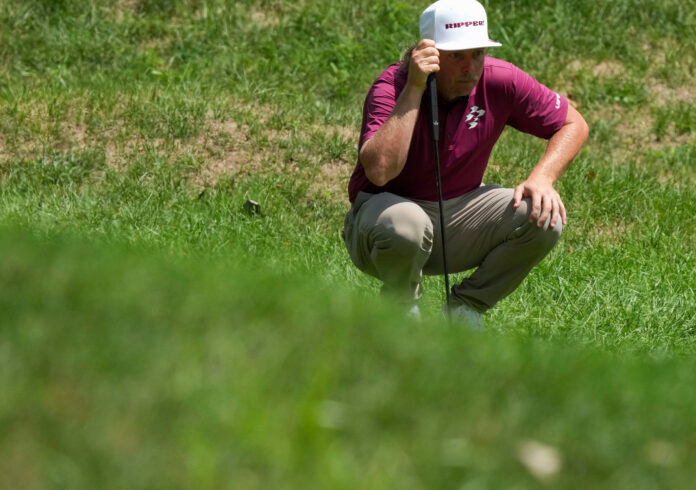
Cameron Smith and other LIV golfers face a cold, hard reality as they seek their way back to the PGA Tour. The path is blocked by a strict one-year cooling-off period that bars them from competition until August 26, 2027. This timeline leaves the Australian star and his peers with no immediate route to the main circuit, forcing them to look elsewhere for a game this season. The Tour has drawn a clear line in the sand, refusing to bend its membership rules for high-profile names who walked away.
Rules Matter and They Will Be Enforced
PGA Tour chief Brian Rolapp has made his stance crystal clear regarding the return of former players. He stated recently that while the organization wants the best players together, it must uphold the rules that ensure fairness for everyone. This hardline approach means the special exemptions handed out earlier in 2026 are gone, and no new ones are coming for Smith or Bryson DeChambeau.
The logic behind this strictness is simple: the Tour wants to protect the integrity of its membership system. While DeChambeau and Jon Rahm have a guaranteed spot in the new Championship Series due to their recent major wins, they still lack a place to play right now. Smith, who won the Open in 2022, fits the criteria for a Category 1 exemption based on his past results, but he must still sign up for membership and wait out the ban. “Fox Sports says that winners of the Race to Dubai Rankings in 2022‑2026 and winners of Major Championships in 2022‑2027 qualify for the top tier. Without the exemption, Smith is stuck in a holding pattern, likely heading to the DP World Tour or other circuits to stay sharp.
A Business Built on the Product
Rolapp views this strict adherence to rules as essential for the long-term health of the sport’s business model. He argues that the value of the Tour comes from having the most competitive product on display, not from bending the rules for star power. “The sports business is not that difficult,” Rolapp said at a recent event in Manhattan, noting that fans will reward the league with their time if the product is right, according to the Sports Business Journal. He sees the future of golf mirroring the explosive growth of the NFL and NBA after their respective mergers, where unity and quality drove the market.
This strategy relies on the belief that media rights and sponsorships will follow a strong field, regardless of who is in it. Rolapp noted that money will shift from scripted content to live sports, but he warned that this cash flow “doesn’t mean it’ll feed everything.” The Tour is betting that a unified, rule-bound structure will create more scarcity and value than a fractured ecosystem ever could. For players like Smith, this means their fate depends on their performance during the waiting game, not on a phone call to get a special invite.
The Waiting Game for Top Stars
While the big names wait, other players are fighting for their own survival on the current Tour. The RSM Classic is a final battleground for players like Neal Shipley, who sits at 123rd in the standings and needs a strong finish to keep his card. “If I just take care of my business, I think I will be just fine,” Shipley said, highlighting the pressure on those outside the top 100 to perform immediately, according to Yahoo Sports. Meanwhile, Chad Ramey secured his future with a win in Austin, moving from uncertainty to a two-year exemption.
The contrast between Ramey’s security and Smith’s limbo shows the stark reality of the current golf landscape. One player earned his spot through a single week of play, while another must wait nearly two years despite winning a major. The Tour’s decision to enforce the rules without exception leaves Smith with no choice but to play elsewhere until the ban lifts. “My life kind of went from very uncertain of what I’m going to be doing in January to now I kind of know what I’m doing the next two years,” Ramey said, a sentiment Smith cannot yet claim for himself.